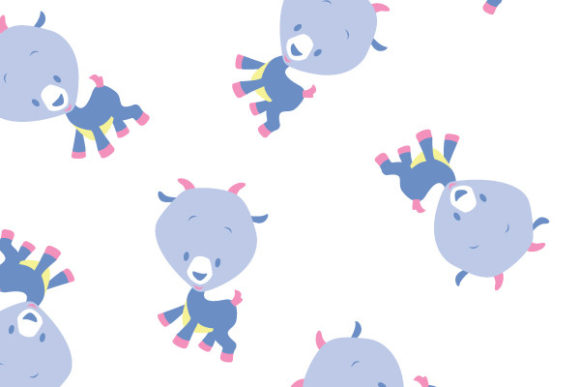
Goat Pattern Design: A Unique and Versatile Choice for Creative Projects
Goat Pattern Design offers a distinctive blend of charm and functionality that appeals to a wide range of creative professionals and hobbyists. With 16 color options and a variety of background styles, these patterns are ideal for scrapbooking, fabric design, packaging, and more. Whether you're looking to add a touch of whimsy to your next project or create something truly original, Goat Pattern Design provides a flexible and scalable solution.
What Makes Goat Pattern Design Stand Out?
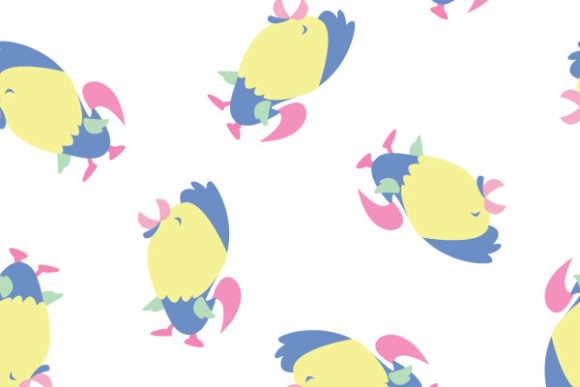
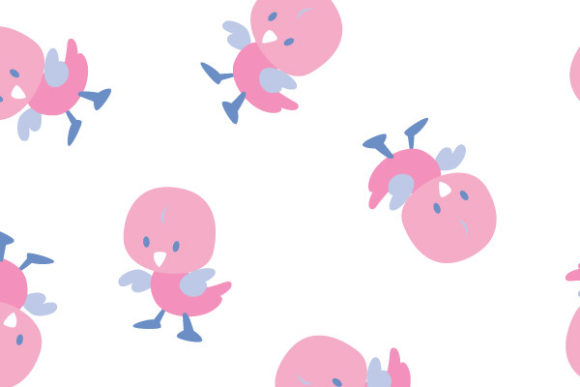
Goat Pattern Design is more than just an aesthetic choice—it's a practical tool for designers, artists, and entrepreneurs. The patterns are crafted with attention to detail, ensuring they look great in both digital and physical formats. From simple line art to vibrant, colorful illustrations, each design is versatile enough to fit into various applications, including stationery, clothing, and home decor.
The availability of a zip file containing vector files makes it easy to scale and adapt the designs without losing quality. This is especially important for projects that require high-resolution outputs, such as printing on mugs or creating wallpaper. Whether you're a beginner or an experienced designer, the scalability of these patterns ensures they can be used across multiple platforms and mediums.
Common Mistakes When Using Goat Pattern Design
While Goat Pattern Design offers many benefits, there are several common mistakes that users may encounter. One of the most frequent errors is not considering the resolution and file format before downloading or purchasing a pattern. Some designs may appear appealing in a small preview but lose clarity when scaled up. Always check the file type and ensure it supports high-quality output, especially if you plan to use it for commercial purposes.
Another mistake is overlooking the licensing terms. Not all patterns are created equal, and some may have restrictions on how they can be used. Before incorporating a Goat Pattern Design into your project, verify whether the license allows for personal or commercial use, and whether you can modify or resell the design.
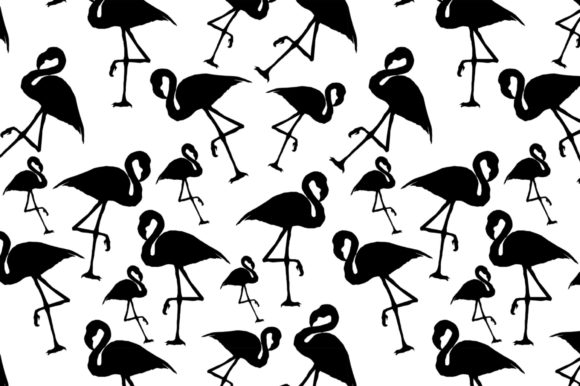
Some users also fail to consider the background style when selecting a pattern. While the goat designs are visually appealing, the background can significantly impact the overall look. For example, a dark background may work well for a bold, modern design, while a light background might be better suited for a more delicate or minimalist approach. Always review the available options and choose a combination that complements your project's theme.
How to Avoid Common Pitfalls
To avoid these issues, start by thoroughly reviewing the product description and technical specifications before making a purchase. Look for details about the file format, resolution, and licensing. If the information isn't clear, don't hesitate to reach out to the seller or designer for clarification.
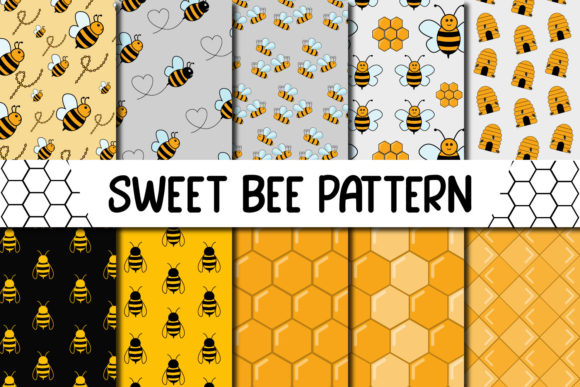
When working with digital papers or repeat patterns, test the design at different sizes to ensure it maintains its quality. Many platforms allow you to download a sample or preview the pattern in action. Use this opportunity to see how the design looks in real-world scenarios, such as on a fabric swatch or a printed page.
Additionally, consider the intended use of the pattern. If you're designing for a product like a mug or a t-shirt, make sure the pattern is suitable for that medium. Some designs may not translate well to curved surfaces or textiles, so it's important to choose a design that works across different applications.
Best Practices for Using Goat Pattern Design
One of the best ways to get the most out of Goat Pattern Design is to experiment with different color variations. The 16-color options provide a wide range of possibilities, allowing you to match the design to your project's palette. Whether you're creating a cohesive brand identity or simply adding a pop of color to a scrapbook, the right color choice can make a big difference.
Another effective strategy is to combine patterns with other design elements. For instance, pairing a goat pattern with a floral or geometric design can create a unique and eye-catching composition. However, be mindful of balance—too many competing elements can overwhelm the viewer. Use the goat pattern as a focal point and let it stand out against simpler backgrounds or complementary textures.
If you're using the pattern for repeat design, ensure that the pattern tiles seamlessly. A poorly designed repeat can create visible seams or distortions, which can detract from the overall appearance. Many designers offer pre-tested repeat patterns, but if you're creating your own, use tools that help align and adjust the design for smooth repetition.
What to Check Before Making a Decision
Before finalizing your choice of Goat Pattern Design, take the time to evaluate a few key factors. First, confirm that the design meets your creative and functional needs. Does it align with your project's style? Will it work across different materials and formats?
Next, assess the quality of the file. High-resolution images and properly formatted vector files are essential for professional results. Avoid designs that appear pixelated or distorted when zoomed in, as this can affect the final outcome.
Finally, review the terms of use carefully. Make sure you understand what you're allowed to do with the design, especially if you're planning to sell products or distribute them online. Some licenses may require attribution or restrict certain types of use, so it's important to be aware of these details.
Conclusion: Make Informed Choices with Goat Pattern Design
Goat Pattern Design offers a fresh and creative way to enhance your projects, but success depends on careful selection and thoughtful application. By avoiding common mistakes and following best practices, you can ensure that your designs are both beautiful and functional. Whether you're a seasoned designer or just starting out, taking the time to evaluate your options will help you make the most of this versatile and charming pattern style.