Exploring the Versatility of Digital Tiles Pattern Paper
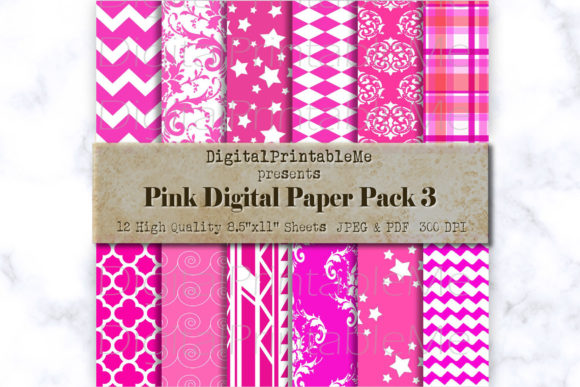
The Set of Digital Tiles Pattern Paper offers a unique blend of design flexibility and technical precision, making it an essential resource for creative professionals and digital artists. With its high-resolution 300 DPI quality and multiple file formats, this collection caters to a wide range of applications, from graphic design to print media and beyond.
Understanding the Components of the Set
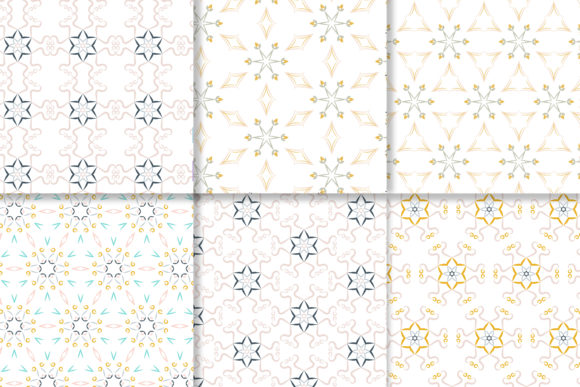
The pack includes 6 JPG files, 6 PNG files, and one EPS file containing six distinct patterns. Each format serves a specific purpose in the design workflow. JPGs are ideal for web use and digital presentations due to their compressed file size without significant loss of quality. PNGs, on the other hand, support transparency, which is crucial for overlaying designs on various backgrounds. The EPS file provides vector-based scalability, ensuring that the patterns maintain clarity at any size.
Applications Across Industries
The versatility of the Set of Digital Tiles Pattern Paper makes it suitable for numerous industries. In graphic design, these patterns can be used as background elements, textures, or decorative accents in branding materials. For interior designers, the high-resolution images offer a realistic representation of tile layouts, aiding in client presentations and project planning. Educators can incorporate these patterns into lesson plans to teach students about design principles and visual aesthetics.
Enhancing Visual Storytelling
Visual storytelling is a powerful tool in marketing and communication, and the Set of Digital Tiles Pattern Paper provides a rich palette for creating compelling narratives. Designers can use the patterns to create cohesive themes in social media posts, advertisements, and editorial content. By integrating these tiles into visual compositions, creators can evoke specific moods and convey messages more effectively.
Advantages of High-Resolution Files
The 300 DPI resolution ensures that the patterns remain sharp and clear, even when printed at larger sizes. This level of detail is particularly important for professional-grade projects where quality is paramount. Whether designing for print or digital platforms, the high-resolution files provide the necessary clarity to meet industry standards.
Practical Use Cases
One practical use case involves using the patterns in website design. The transparent PNG files allow for seamless integration with different color schemes and backgrounds, enabling designers to create visually appealing websites that align with brand identities. Additionally, the EPS file's vector format makes it easy to adjust and scale the patterns without losing quality, which is beneficial for responsive design practices.
Supporting Creative Workflows
For creators working on large-scale projects, the availability of multiple file types streamlines the workflow. Designers can easily switch between formats depending on the project's requirements, reducing the need for additional software or conversions. This efficiency not only saves time but also enhances productivity, allowing creatives to focus more on the artistic aspects of their work.
Considerations for Effective Use
While the Set of Digital Tiles Pattern Paper offers many benefits, there are considerations to keep in mind. Understanding the intended use of each file type is crucial for maximizing its potential. For instance, while JPGs are great for web use, they may not be suitable for print projects that require higher quality. Similarly, the EPS file's complexity might require specific software to edit, so users should ensure they have the necessary tools available.
Integration with Other Design Elements
The patterns can be combined with other design elements to create unique and dynamic visuals. By layering the tiles with textures, gradients, or illustrations, designers can produce complex compositions that stand out. This approach not only adds depth to the design but also allows for greater customization and personalization.
Encouraging Experimentation
Experimentation is key to discovering new ways to utilize the Set of Digital Tiles Pattern Paper. Creatives are encouraged to explore different combinations and techniques to find what works best for their projects. This process of trial and error can lead to innovative solutions and fresh ideas, ultimately enhancing the overall quality of their work.
Conclusion
The Set of Digital Tiles Pattern Paper is a valuable asset for anyone involved in design, whether professionally or as a hobby. Its diverse range of file formats, high-resolution quality, and versatile applications make it a must-have for creative professionals. By understanding the characteristics and advantages of this set, users can unlock new possibilities and elevate their design projects to the next level.